

Nobody warns you about the client drought. You finish a project, deliver great work, get a genuine "we'll definitely be back" - and then hear nothing for six weeks. As a freelancer, acquiring clients is a full-time job running parallel to the actual work. Most advice on the subject points you toward LinkedIn or cold emails. Both are fine. But there's a quieter, more reliable way that doesn't get talked about enough: being physically present in the right room, around the right people, consistently.
That's what a good coworking space does for your client pipeline. In this blog, we'll explore five ways coworking spaces can help freelancers grow their client base.
1. Proximity Creates Referrals You Never Had to Ask For
The best referrals don't come from outreach campaigns. They come from people who have watched you work long enough to trust you without needing a pitch. Coworking spaces create exactly that kind of proximity, and over time, that proximity quietly fills your pipeline.
There is a version of networking that feels like a performance. Elevator pitches, follow-up emails, LinkedIn connection requests with a carefully crafted note. That's one way. Here's another: show up to the same space three mornings a week, do good work visibly, and let people figure out what you do over time.
When someone in the space needs a designer, a copywriter, or a developer, your name comes up. Not because you handed them a business card. Because they've watched you work and built a quiet trust in your competence. That kind of referral also lands differently with the client receiving it. It's warmer, and it converts faster.
2. The People Around You Are Potential Clients
Coworking spaces don't just attract remote workers escaping their apartments. They attract founders, small business owners, startup teams, and consultants - people who have budgets, ongoing needs, and a preference for working with someone they already know. That mix of people in one room matters more than most freelancers realise.
A conversation that starts with "what are you working on?" can easily become a project conversation two weeks later. Not always. But often enough to matter. The difference between a freelancer who gets consistent work and one who is always hunting is often just this: one of them is regularly around people who have work to give.
3. A Professional Address Changes How Clients Perceive You
First impressions in freelancing aren't just about your portfolio. They happen before a client has even seen your work, in the small signals you send about how seriously you take what you do. Isolation has a way of quietly eroding that sharpness over time, and it shows up in ways you don't always notice.
The kitchen visible behind you, the dogs, the slightly chaotic energy of a home setup - these are small things, but they add up. A clean, professional workspace signals credibility. A registered business address for invoicing adds another layer. Clients, particularly mid-size businesses with procurement processes, are more comfortable issuing payments to an address that looks established. A coworking space gives you that without the cost of a dedicated office.
.jpg)
4. Community Events Accelerate Introductions
Most coworking spaces run informal events. Workshops, casual meetups, member sessions. These are not the lanyard-and-name-tag variety. They're low-pressure, and they put you in front of people you would not otherwise meet. The right space makes this feel natural rather than engineered.
A chat with someone who runs a small agency can turn into a sub-contracting arrangement. An introduction at a member event can become a retained monthly project. The volume of these connections compounds over months, and it almost never feels like networking while it's happening. That's the point.
At superco, the layout is built around this kind of accidental collision - lounges, breakout zones, and a cafeteria where people actually linger. It's not a forced community. It's just a space where running into someone useful is a regular Tuesday.
5. Consistent Presence Builds a Reputation Without a Portfolio
New freelancers often believe they need a stronger portfolio before they can attract better clients. Sometimes that's true. But reputation is built in layers, and consistent presence in a coworking space builds one of those layers quietly, on its own. The same focus and visibility that makes deep work possible is also what makes you memorable to the people around you.
Showing Up Is Underrated
People talk. They recommend. They loop in the person they've seen being serious about their work over the person they found through a search. In a coworking community, your reputation as someone who shows up and delivers forms without any deliberate effort. It's a slow-burn client acquisition strategy that most freelancers overlook entirely because it doesn't feel like strategy. It just feels like going to work.
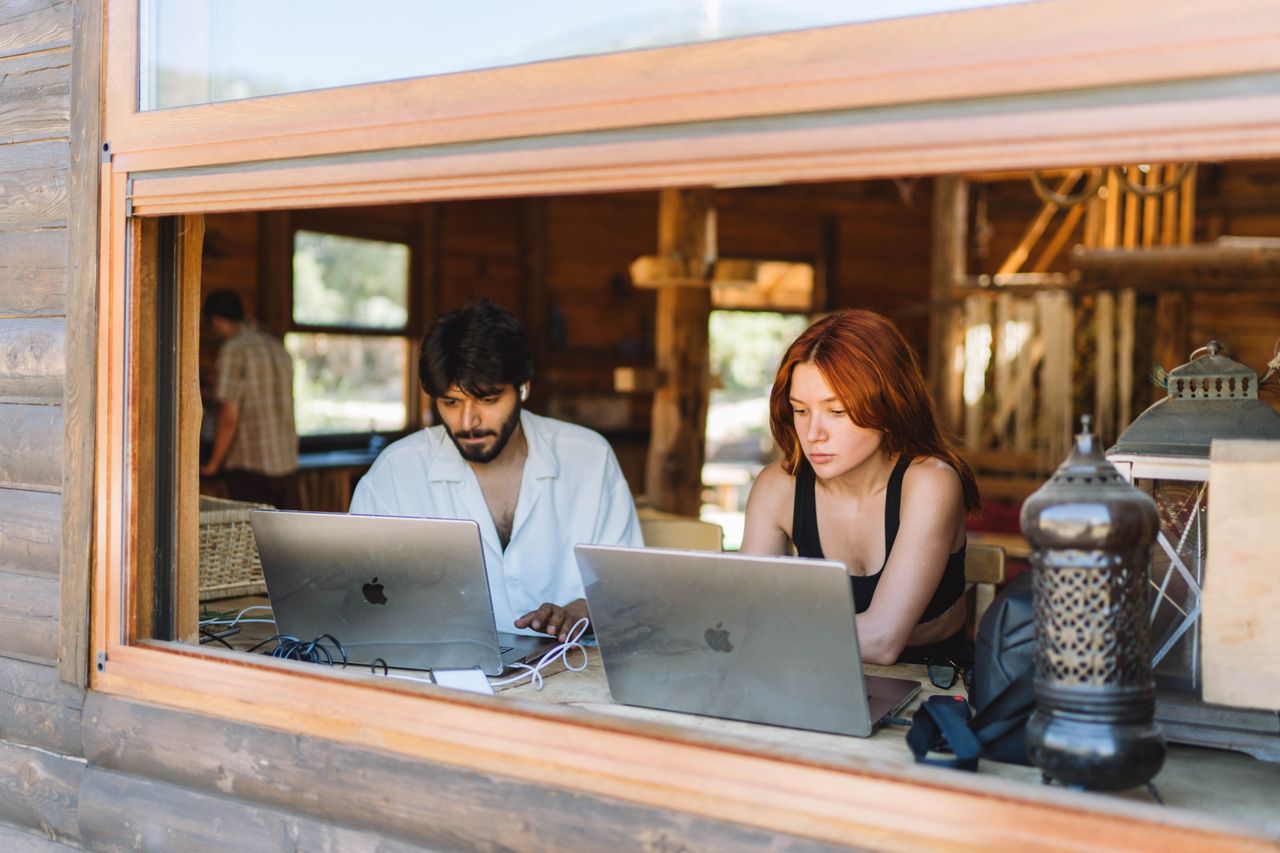
Freelancers often focus on improving their skills and portfolios, but client growth depends on more than that. It also depends on the people you meet, the conversations you have, and the opportunities you're exposed to. By bringing together professionals from different industries under one roof, superco creates an environment where meaningful connections happen naturally, making it easier to expand your network, discover new opportunities, and grow your business.